KISO VALLEY ITINERARY: HIKING THE NAKASENDO TRAIL FROM MAGOME TO TSUMAGO
If you're planning a trip to Japan and looking for a peaceful escape into nature, you've probably come across the Kiso Valley. Home to the historic Nakasendo Trail and beautifully preserved post towns like Narai-juku, Magome and Tsumago, it's often described as one of the country's most charming countryside destinations.
After spending two days exploring the valley, I have mixed feelings. The hiking was absolutely the highlight, but getting around takes much longer than I expected. If you're coming all the way from Tokyo, it's worth knowing what you're signing up for.
Here's my honest Kiso Valley itinerary, what I loved, and whether I think it's worth the journey.
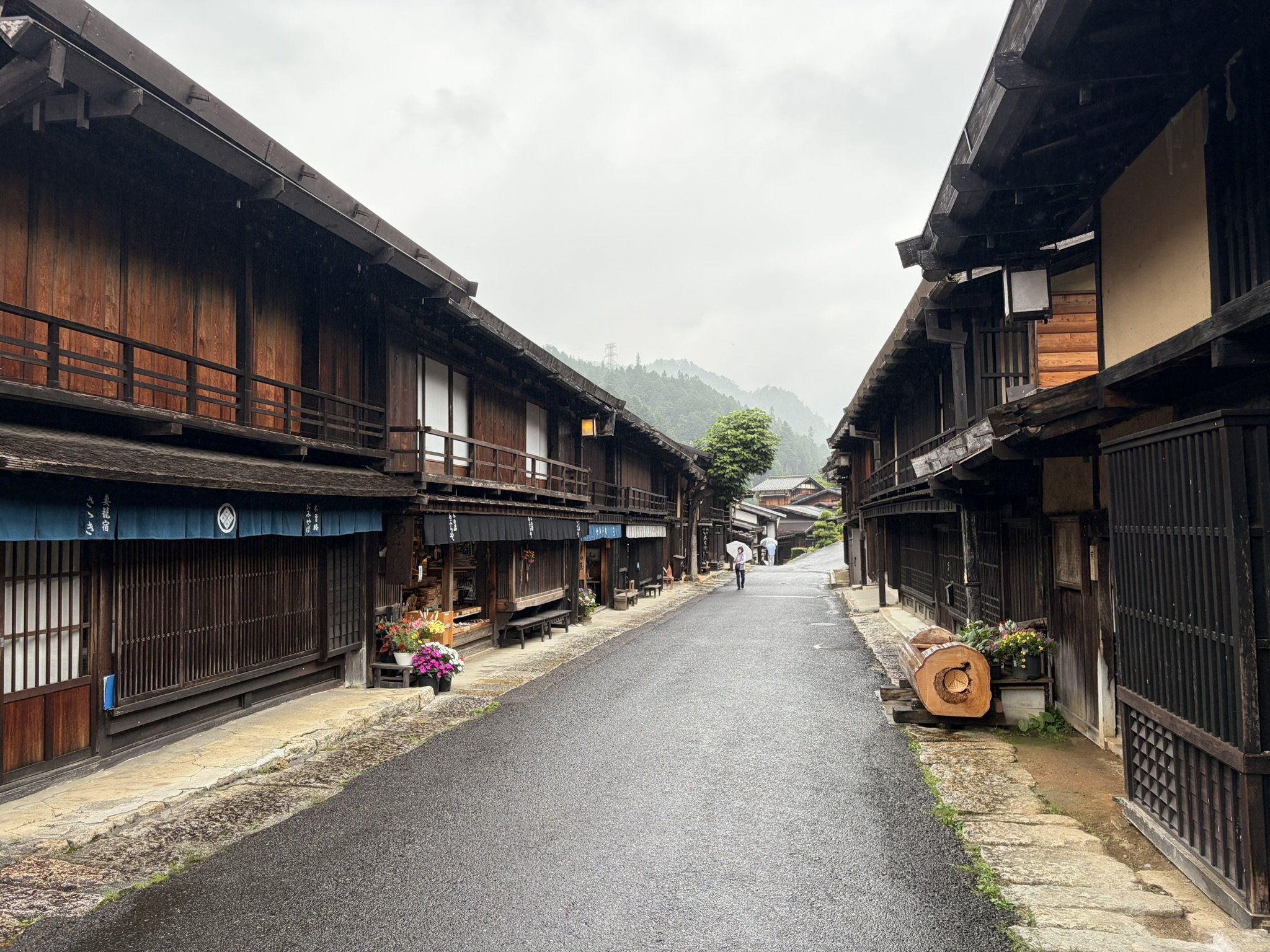
Tsumago village
Is Kiso Valley worth visiting?
The Kiso Valley is incredibly beautiful, but also surprisingly remote.
Although a train line connects Nagoya and Matsumoto through the valley, reaching each village still requires a fair amount of planning, and the transport time quickly adds up.
For me, the real highlight wasn't the villages themselves—it was the nature and the hiking. The historic towns are undeniably charming and extremely well preserved, but they're also quite small. Once you've wandered the main street, visited a few cafés and souvenir shops, there's often not much else to do.
I visited at the beginning of July, during Japan's rainy season. While that might sound like bad timing, I actually loved it. The forests felt incredibly lush, the mist gave everything a magical atmosphere, and hiking in light rain made the trail feel even more peaceful.
Looking back, though, I'm not sure I'd make the journey again from Tokyo. Japan has plenty of fantastic nature hikes that are much easier to reach. If you're already travelling between Nagoya and Matsumoto, however, the Kiso Valley makes much more sense as a stop along the way.
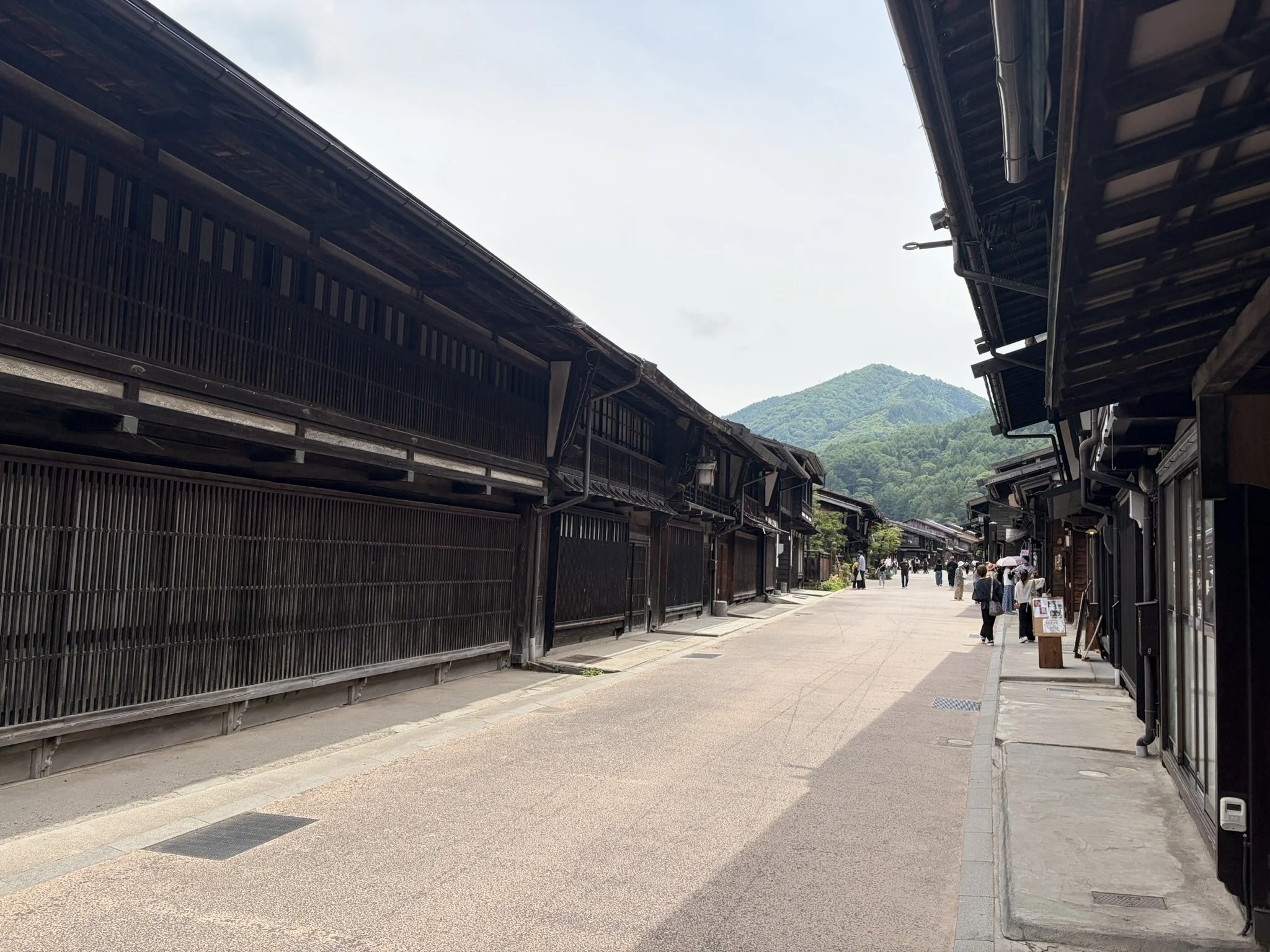
Narai-juku
Stop 1: Narai-juku
I started my trip in Narai-juku, one of the best-preserved post towns along the Nakasendo.
It's a lovely little village filled with traditional wooden buildings, souvenir shops, cafés and small restaurants. It has a relaxed atmosphere and is easy to explore on foot.
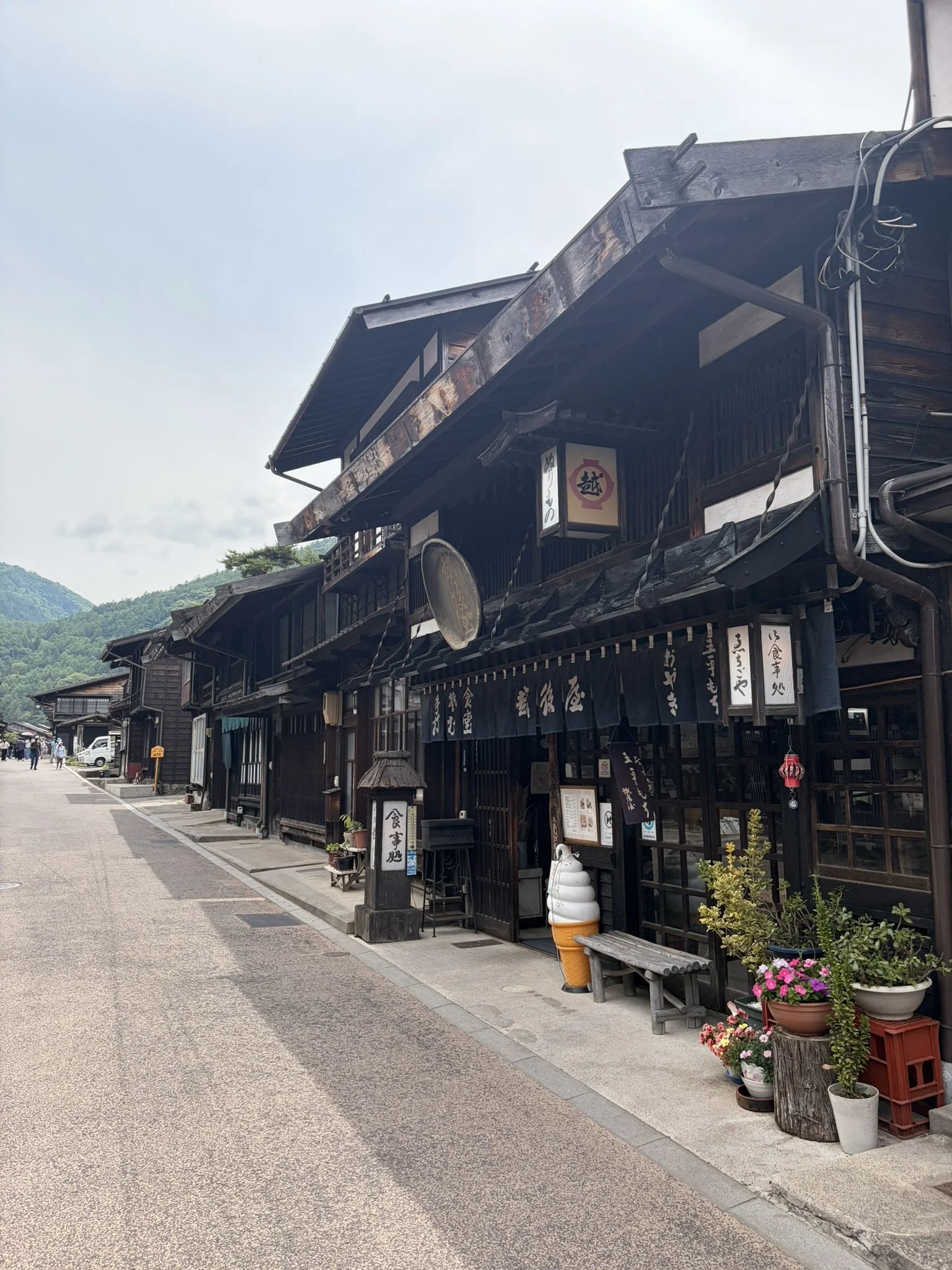
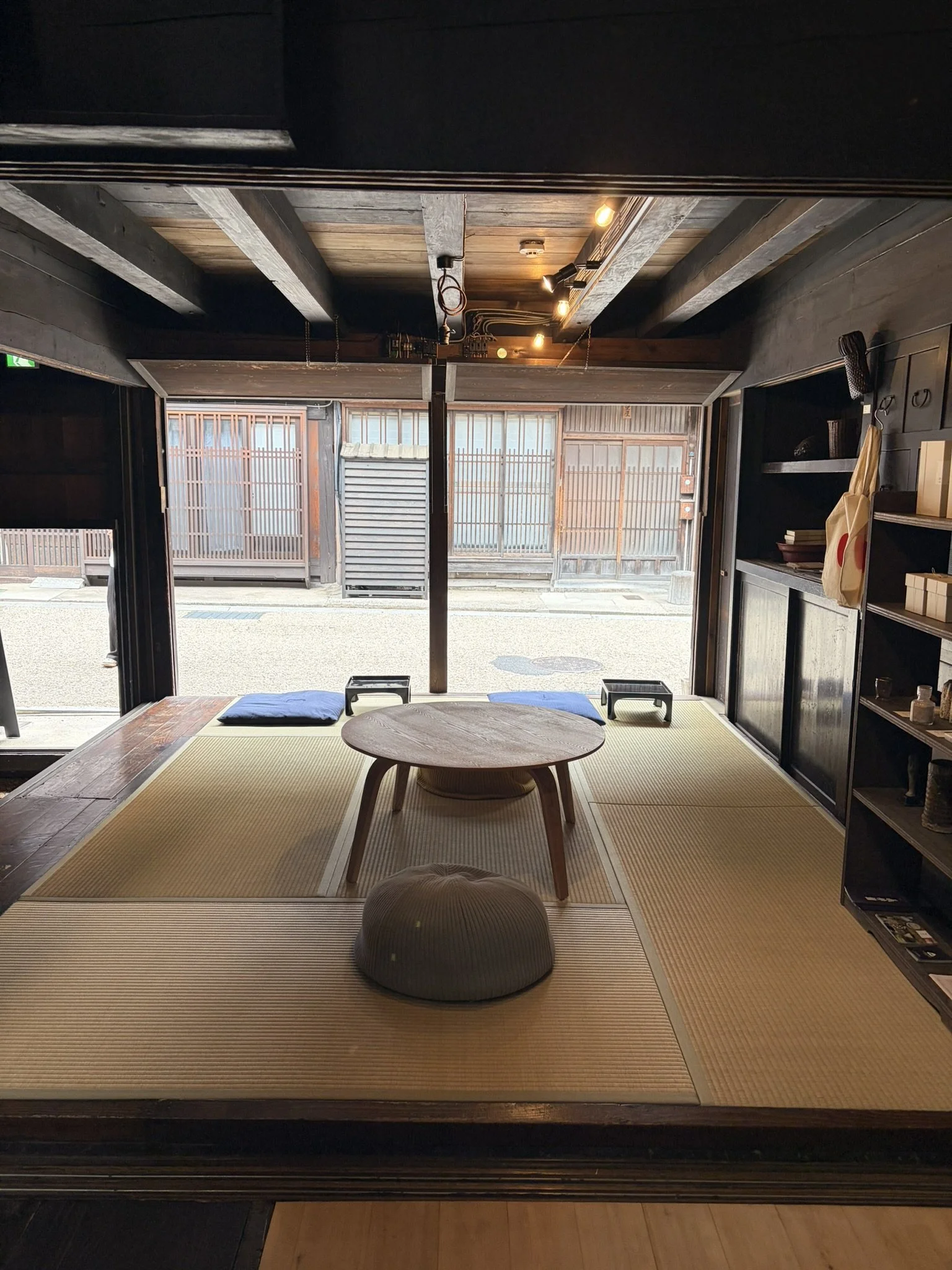
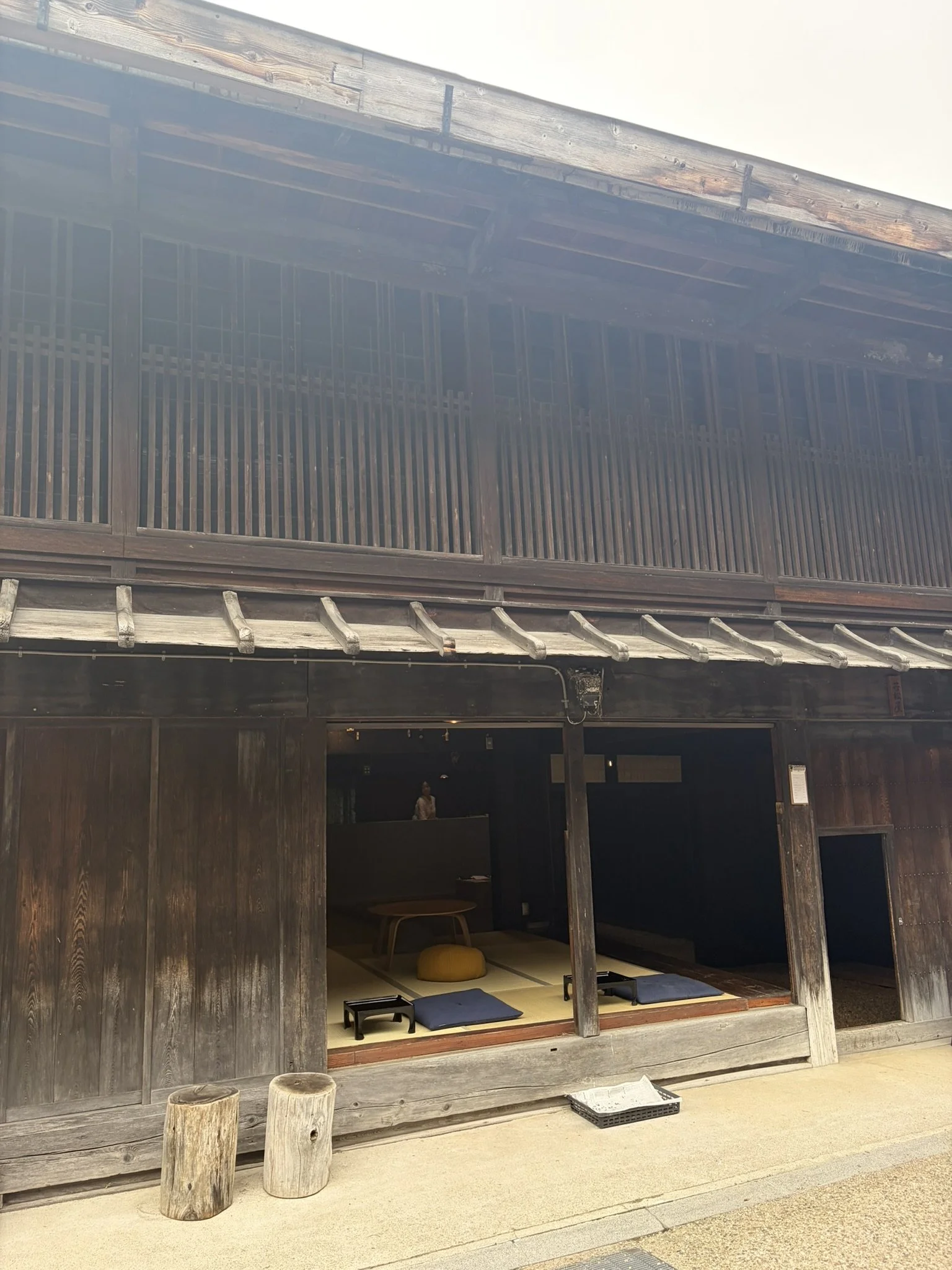
One thing many visitors don't realize is that there's also a walking trail starting from Narai-juku. I only walked the beginning of it, but it looked beautiful as it disappeared into the forest.
The only thing that made me turn around? Bear warning signs.
They're absolutely everywhere. After doing a bit more research afterwards, I discovered that while bears do live in the area, there haven't been any recorded human attacks here in the past decade. They're mostly interested in berries rather than hikers, and the warnings seem more precautionary than alarming.
Still, if you're nervous like me, you'll definitely notice the signs!
The entry of the Nakasendo trail at Narai-juku
Stop 2: Kiso-Fukushima
From Narai-juku, I continued on the same local train to Kiso-Fukushima.
I arrived around 4 pm, and the town already felt almost deserted.
There's a pleasant historic street to wander through, but overall I found there wasn't much to do here. I stayed overnight because it made for a convenient base between Narai-juku and Magome, but I probably wouldn't recommend spending extra time sightseeing.
Stop 3: Magome
The next morning, I took the train to Nagiso (just under an hour), then caught the local bus to Magome, which takes around 30 minutes.
One piece of advice: check the train and bus schedules on Google Maps before travelling. Services aren't particularly frequent, and missing a connection can easily add another hour to your journey.
Magome is another beautifully preserved post town, perched on a hillside with traditional wooden buildings and lovely views over the surrounding mountains.
I didn't spend too long exploring because my main goal was hiking the famous Nakasendo Trail back towards Tsumago and Nagiso.
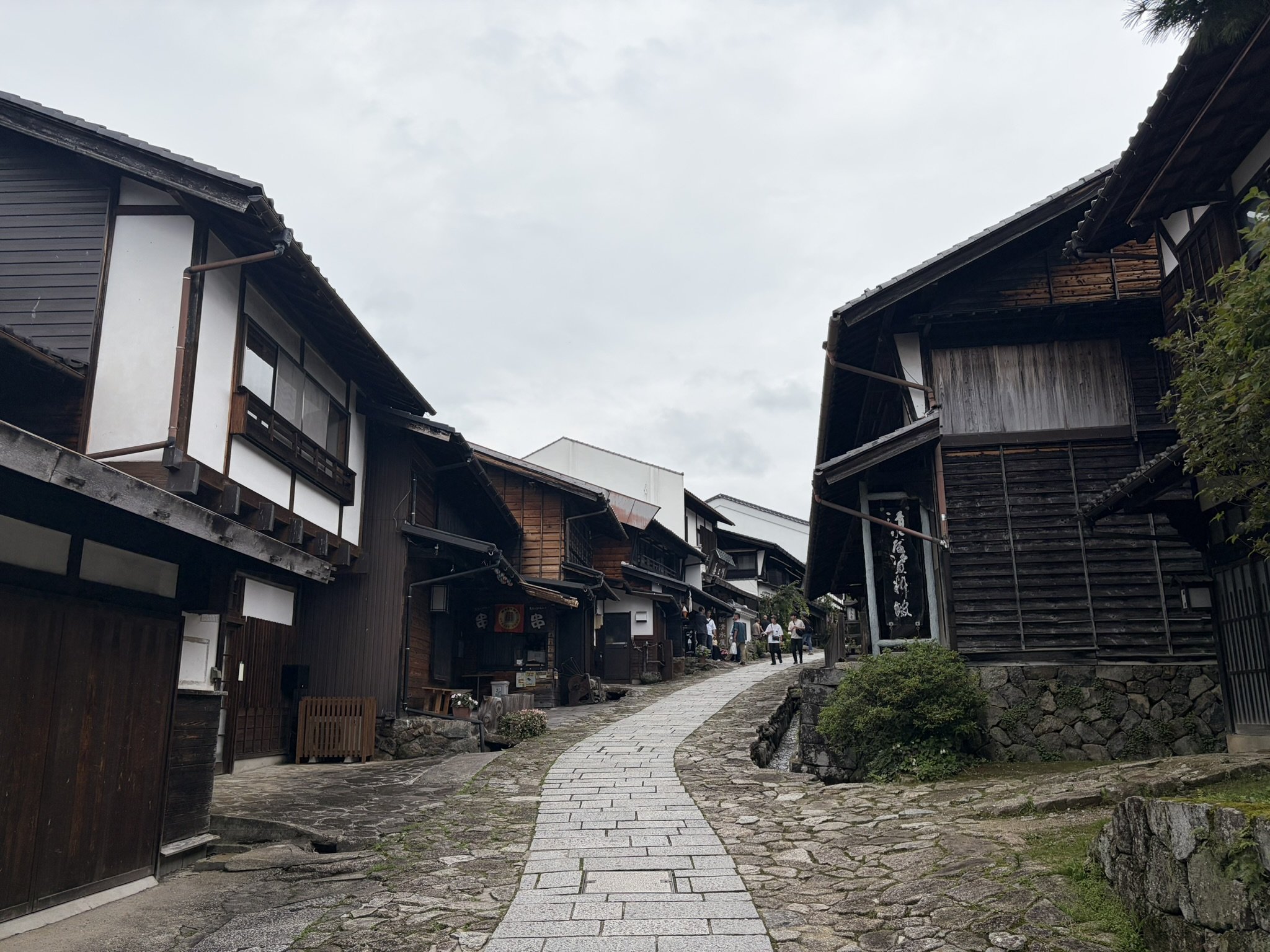
Magome
Hiking the Nakasendo Trail: Magome to Tsumago
This was easily my favourite part of the entire trip.
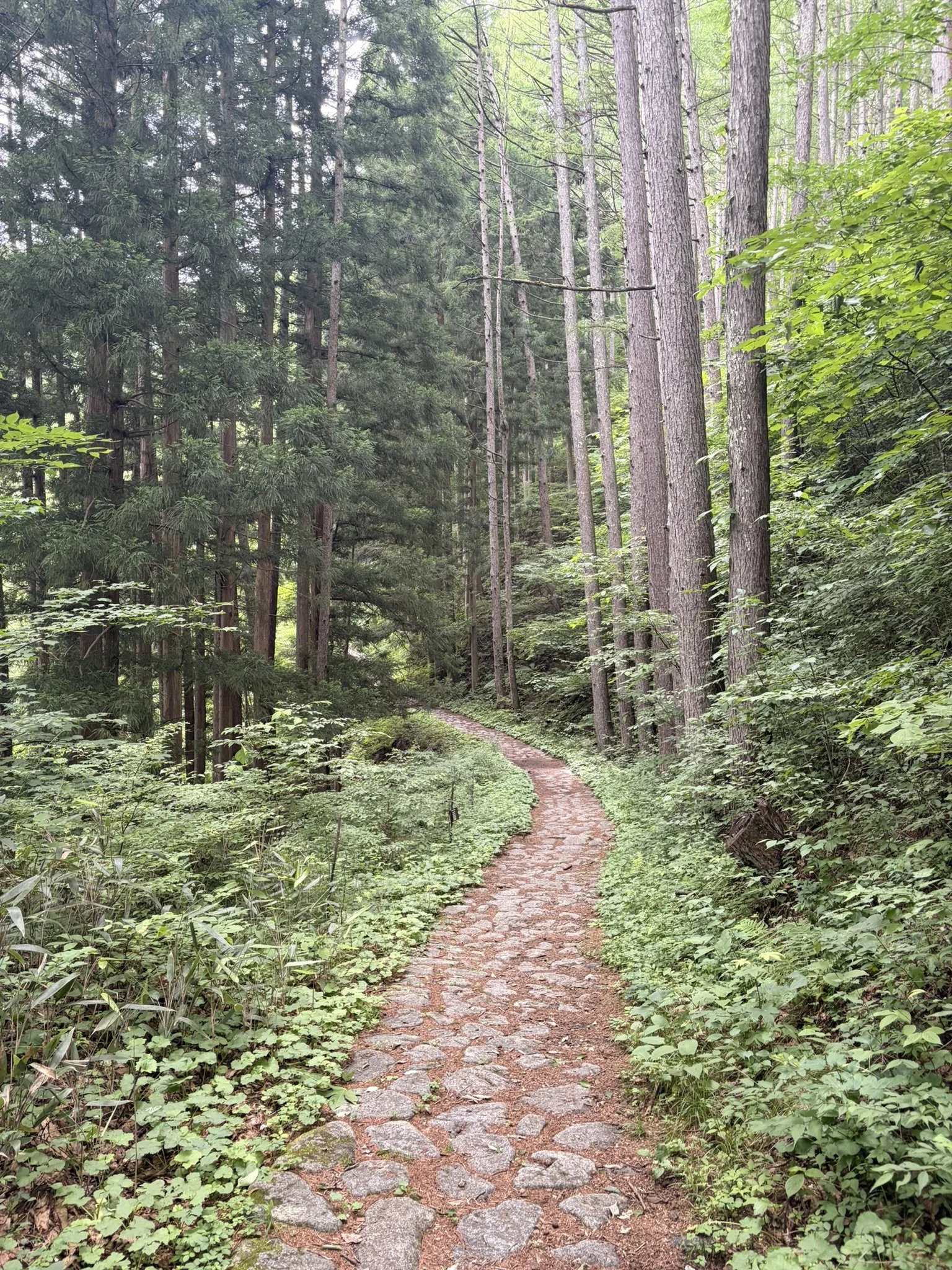
The section from Magome to Tsumago is around 7.6 km and took me roughly two hours at a relaxed pace. It's mostly downhill, very easy, and incredibly well maintained.
The trail is impossible to get lost on thanks to excellent signage.
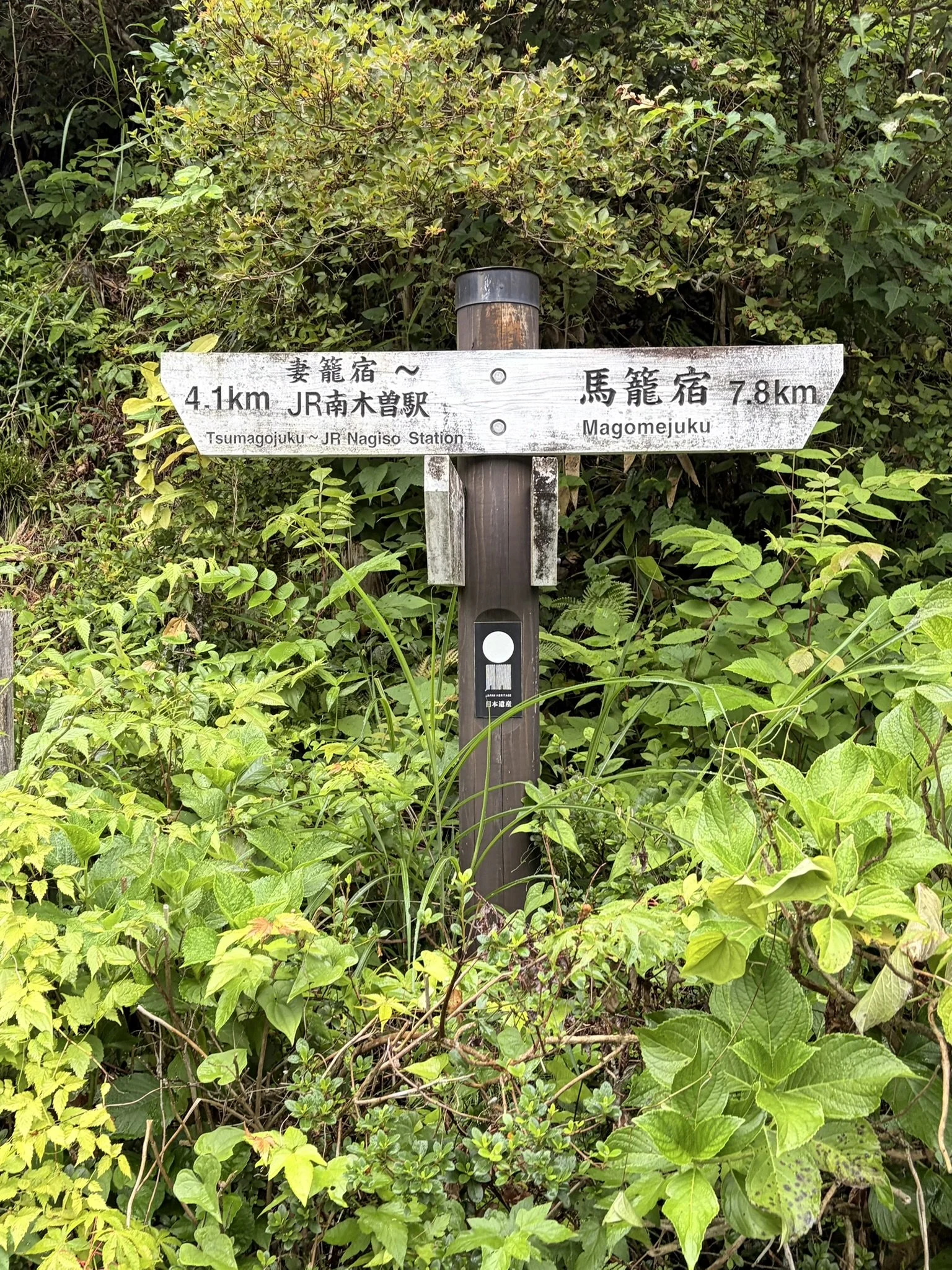
Along the way you'll find:
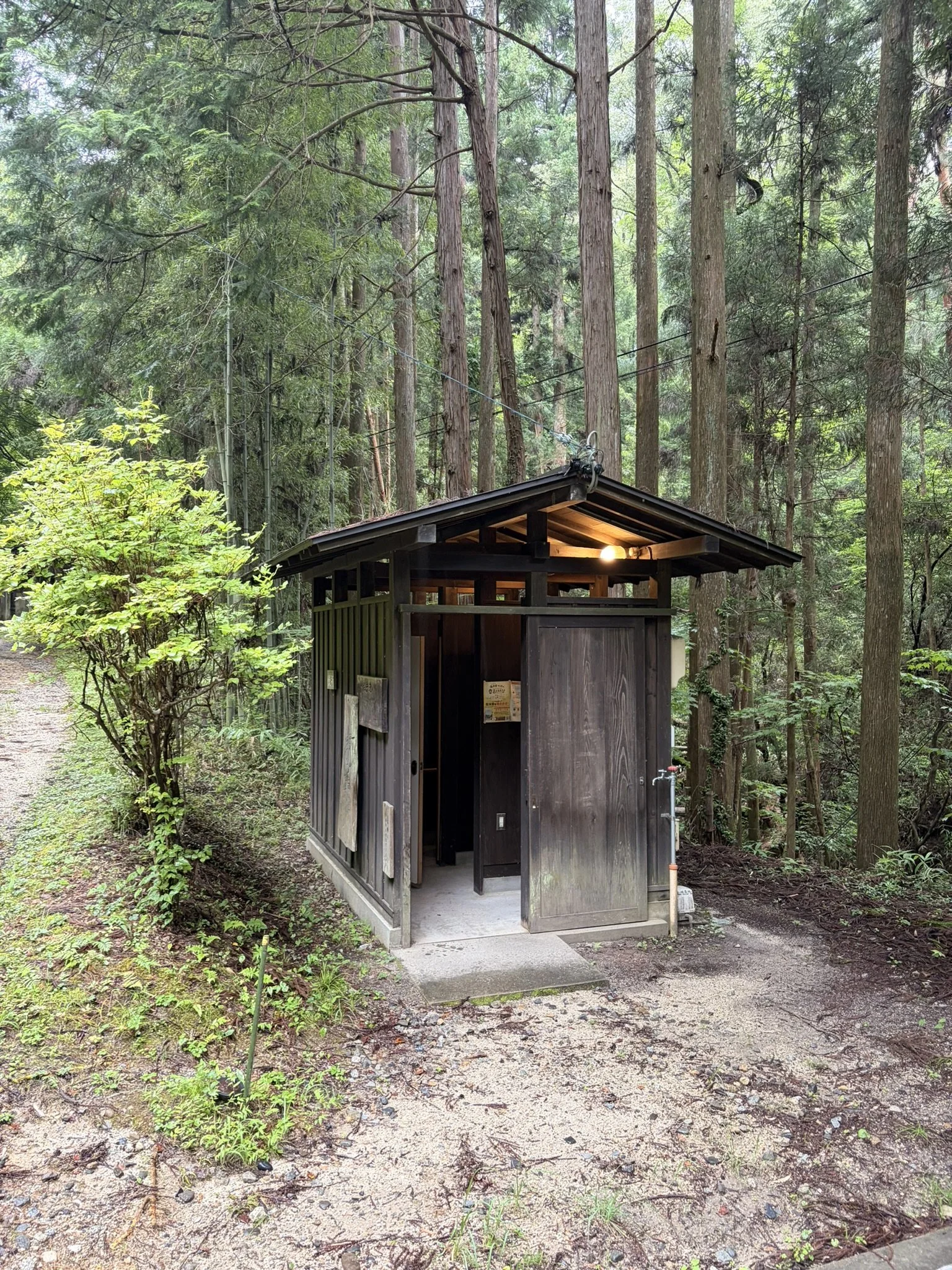
Plenty of toilets
Small tea houses and resting areas
Beautiful cedar forests
Streams and waterfalls
Historic buildings
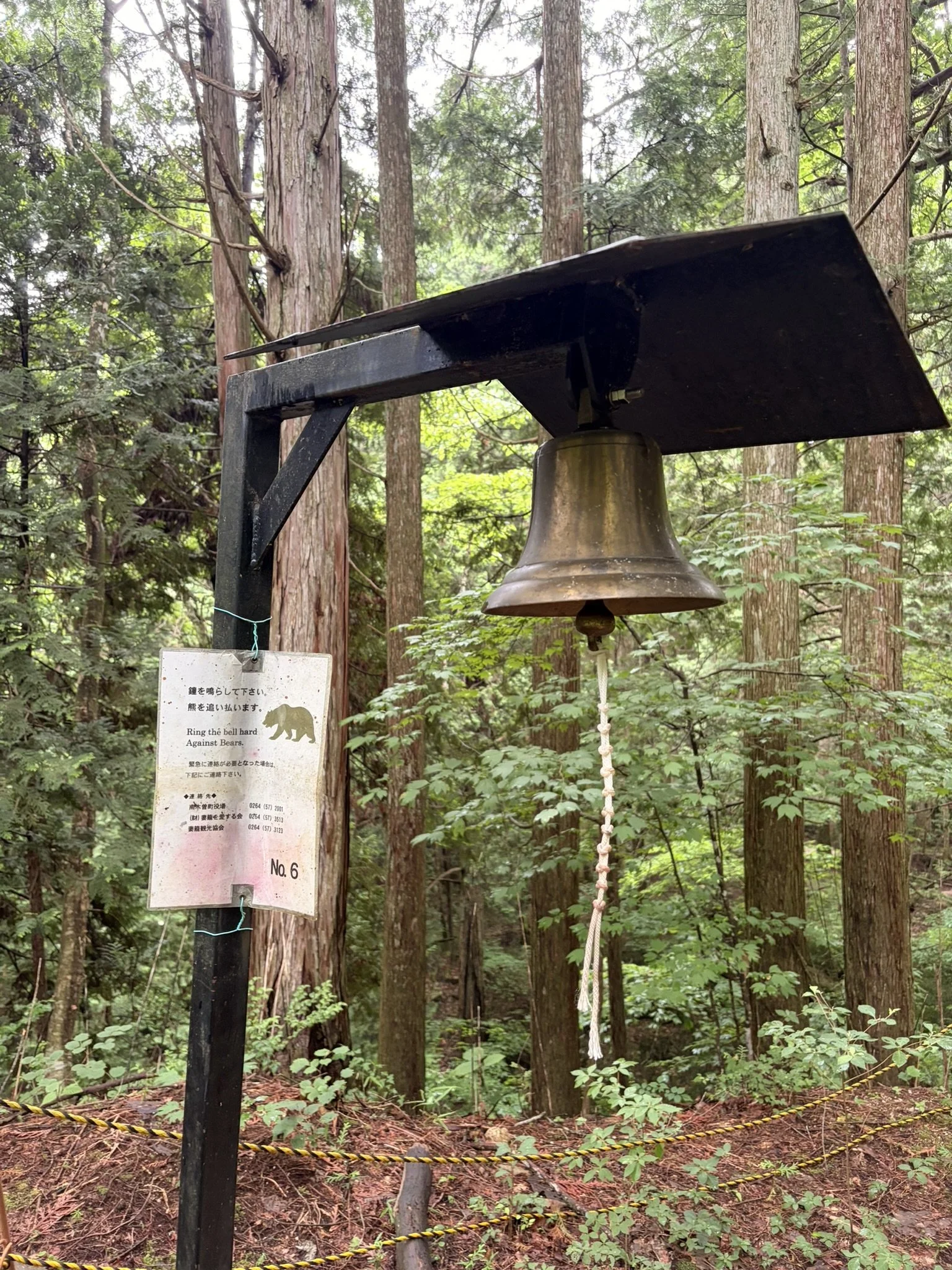
Countless bear bells hanging along the trail
Even though it was raining, there were still quite a few other hikers on the route.
As for the famous bear bells—you'll hear them constantly. Honestly, they felt more like part of the experience than an indication of any real danger.
Towards the end of the hike, the scenery becomes especially beautiful. The river winds through the valley, traditional houses appear between the trees, and I even spotted a group of monkeys in the distance.
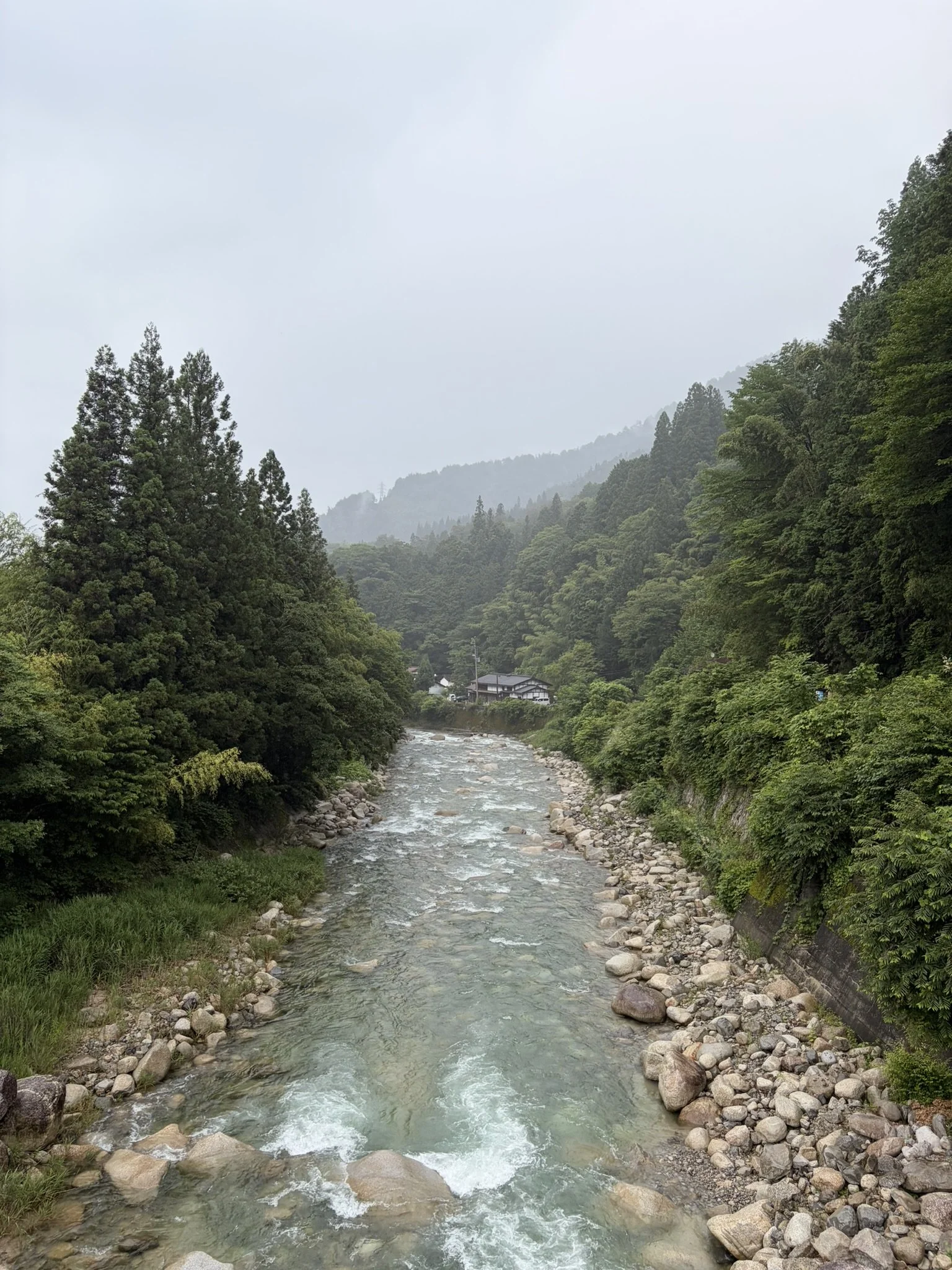
River view on the Nakasendo trail
Tsumago
Tsumago was another lovely surprise.
Like Magome and Narai-juku, it's beautifully preserved, but it feels even more isolated.
It's a great place to stop for lunch or browse the local souvenir shops before continuing your hike.
I had lunch at Konohanaya, mainly because they offered vegetarian buns and had a small outdoor seating area where I could enjoy a quiet break before setting off again.
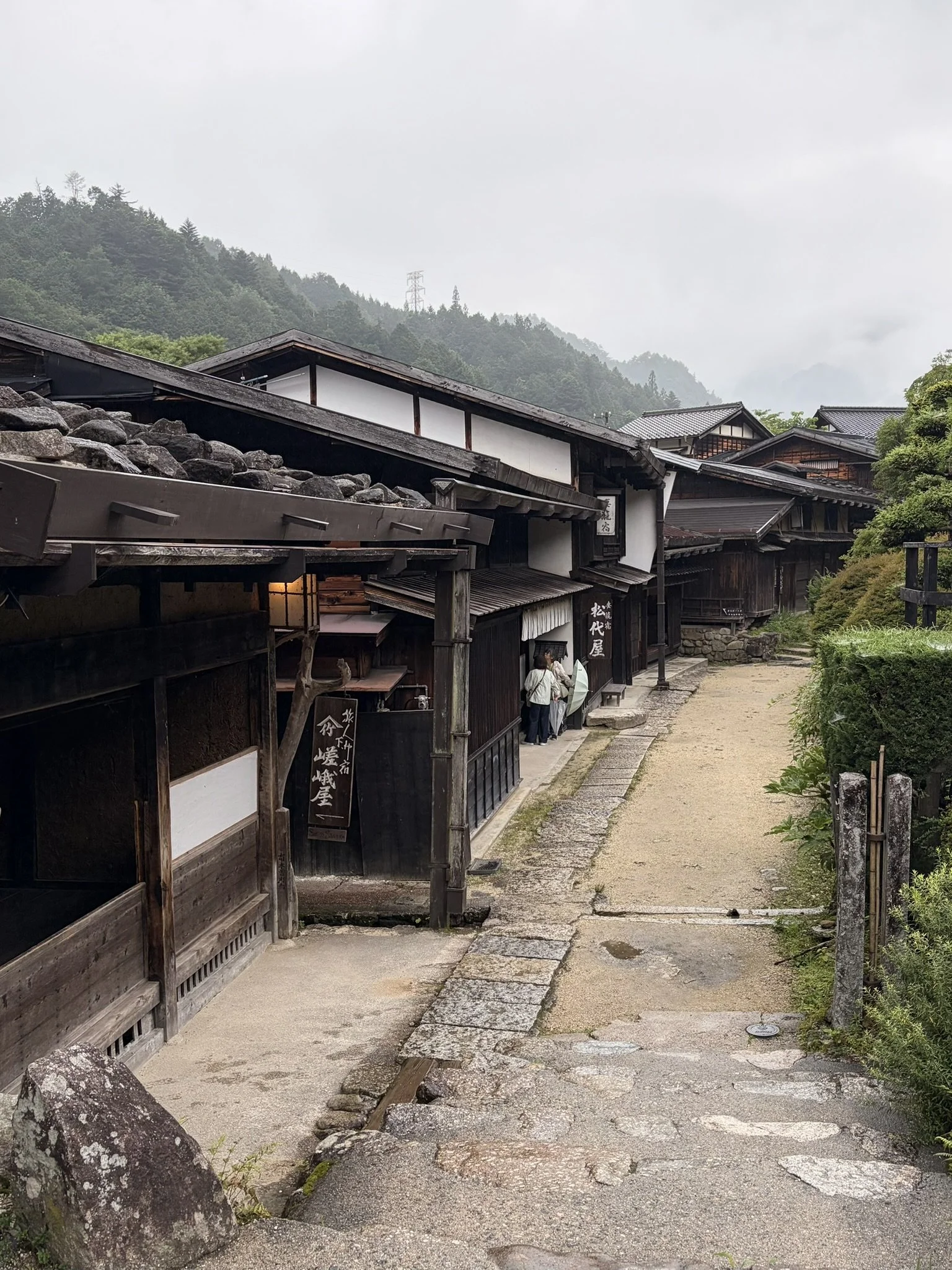
Tsumago
Tsumago to Nagiso
Most people finish their hike in Tsumago and take the bus back.
I decided to continue walking all the way to Nagiso Station instead.
This final section is about 3.7 km and took me less than an hour.
Unlike the first half of the trail, I didn't meet a single other hiker.
The walk is easy and peaceful, following quiet roads and rivers through the countryside before arriving at Nagiso Station.
My favourite café in Kiso Valley
I ended up waiting about an hour for my train from Nagiso to Shiojiri before catching the Azusa Limited Express back to Tokyo.
Instead of waiting on the platform, I found Izumiya Café, right by Nagiso Station.
It ended up being one of my favourite moments of the entire trip.
After a long day of hiking, sitting with a coffee while watching the rain fall outside felt like the perfect way to end my visit.

Izumiya Café at Nagiso station
Practical tips for visiting Kiso Valley
Check train and bus schedules carefully before travelling, especially between Nagiso and Magome.
Don't worry too much about the bear warnings. They're everywhere, but encounters are extremely rare.
The Magome to Tsumago hike is suitable for almost everyone thanks to its gentle downhill route.
Bring cash for smaller cafés and shops.
Visiting during the rainy season can actually be incredibly beautiful if you don't mind getting a little wet.
Final thoughts
The Kiso Valley offers one of Japan's most enjoyable countryside hikes, and the Nakasendo Trail absolutely lived up to my expectations. Walking through forests, historic villages and mountain scenery was a wonderful experience.
That said, the villages themselves are quite small, and the transport between them takes longer than you might expect. If you're travelling all the way from Tokyo specifically for this trip, I'd think twice unless the Nakasendo Trail is high on your bucket list.
If you're already passing between Nagoya and Matsumoto, though, it's a worthwhile stop—and if you enjoy slow travel, peaceful hiking and historic landscapes, you'll probably leave with the same favourite memory I did: not a famous viewpoint, but simply sitting in a tiny café by Nagiso Station after a long walk in the rain.
